
Uncategorized
What Is the Best Weight Loss Medication?
Sep
Finding the best weight loss medication can feel overwhelming, especially with so many prescription options and GLP-1 medications receiving attention. The truth is that there is no single weight loss drug that is best for everyone. The right treatment depends on your health, weight-management goals, existing medical conditions, medications, potential side effects, and cost.
Prescription weight loss medications are generally considered when lifestyle changes alone have not produced enough weight loss. According to the National Institute of Diabetes and Digestive and Kidney Diseases (NIDDK), healthcare professionals may consider medication for adults with a BMI of 30 or greater, or a BMI of 27 or greater when weight-related health conditions are present.
Which Weight Loss Medications Are Available?
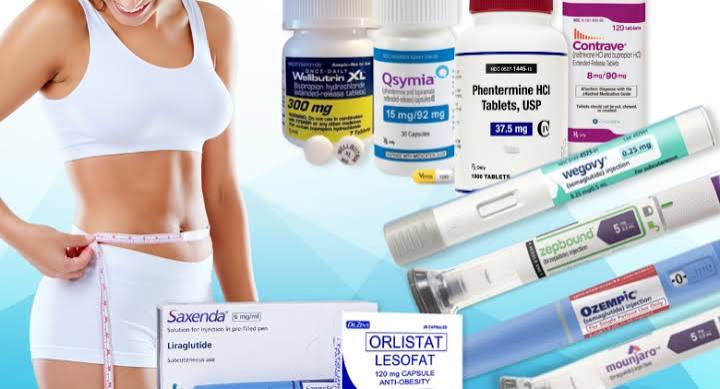
Several prescription medications are approved for long-term weight management. These include semaglutide (Wegovy), tirzepatide (Zepbound), liraglutide (Saxenda), orlistat, phentermine-topiramate (Qsymia), and naltrexone-bupropion (Contrave). Setmelanotide is reserved for certain rare genetic causes of obesity.
Among newer options, semaglutide and tirzepatide have attracted significant interest because they work on hormones involved in appetite and food intake. Semaglutide is a GLP-1 receptor agonist, while tirzepatide targets both GIP and GLP-1 pathways. NIDDK notes that these newer medicines can be particularly effective for weight management in appropriate patients.
Semaglutide vs. Tirzepatide for Weight Loss
People searching for the best GLP-1 weight loss medication often compare semaglutide with tirzepatide. Both are prescription medicines administered by injection and are intended to be used alongside a healthy eating pattern and increased physical activity.
Clinical results vary from person to person, so a medication that works well for one individual may not be the right choice for another. Your healthcare professional can consider your medical history, other medications, treatment goals, and potential risks before recommending an option.
Is Prescription Weight Loss Medication Safe?
Weight loss medications can have side effects and may not be suitable for everyone. Possible reactions depend on the specific medicine and can range from gastrointestinal symptoms to more serious complications. Certain medications also have important contraindications and drug interactions.
For this reason, avoid choosing a prescription weight loss drug based solely on online reviews, advertisements, or claims about rapid weight loss. A qualified healthcare professional should determine whether medication is appropriate for you.
Medication Works Best With Lifestyle Changes
The best weight loss treatment is usually more than a medication alone. Prescription medicines are intended to complement healthy eating, regular physical activity, and sustainable lifestyle changes. NIDDK reports that weight management medications work best when combined with lifestyle interventions.
It is also important to understand that weight regain can occur after stopping weight loss medication. Long-term treatment may therefore be appropriate for some people who benefit from medication and do not experience serious side effects.
Find the Right Weight Loss Treatment for You
If you’re considering prescription weight loss medication, start with a medical evaluation rather than searching for a one-size-fits-all “best” drug. Your healthcare professional can assess your BMI, health conditions, current medications, treatment preferences, and potential risks.
Whether you’re researching semaglutide, tirzepatide, GLP-1 medications, or other weight loss drugs, informed medical guidance can help you choose a treatment strategy that fits your individual needs and supports sustainable weight management.
