
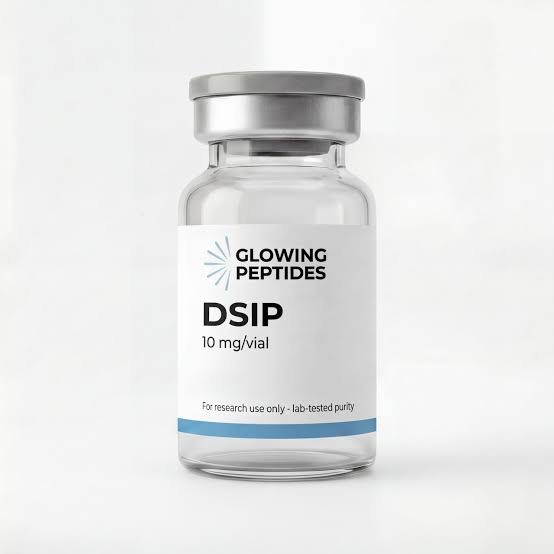

DSIP peptide, short for delta sleep-inducing peptide, is an experimental peptide that has attracted interest within biochemical and peptide research. First investigated for its potential relationship with sleep and neurophysiological processes, DSIP continues to be discussed in scientific and research settings.
For researchers exploring peptide research, sleep-related biology, neurobiology, and experimental compounds, DSIP provides an interesting subject for further investigation. Its history and proposed biological activity have generated interest in understanding how short peptide sequences may interact with complex physiological processes.
What Is DSIP Peptide?
DSIP stands for Delta Sleep-Inducing Peptide, a naturally occurring peptide that has been studied in connection with sleep and related biological processes. Research into DSIP has examined its potential effects on the central nervous system, stress responses, sleep patterns, and other physiological mechanisms.
However, it is important to distinguish scientific investigation from established medical use. DSIP is not an approved treatment for insomnia or other sleep disorders, and research findings have not established it as a proven therapy.
For this reason, DSIP is best understood in the context of experimental peptide research rather than as a conventional sleep supplement or medicine.
DSIP Peptide and Sleep Research
Interest in DSIP largely comes from early research exploring its possible association with sleep regulation. Researchers have investigated whether the peptide may influence sleep-related mechanisms and neurochemical activity.
These investigations make DSIP particularly relevant to researchers studying sleep biology, peptide signalling, neuroscience, and physiological regulation. Nevertheless, the evidence remains limited and further research is needed to establish the significance of these observations.
Claims that DSIP can reliably improve sleep quality, reduce insomnia, relieve anxiety, or produce specific therapeutic effects should therefore be treated cautiously unless supported by robust clinical evidence.
Why Is DSIP of Interest to Researchers?
The appeal of DSIP peptide lies in its connection to several areas of scientific investigation, including:
- Peptide and biochemical research
- Sleep and circadian biology
- Neuroscience research
- Neurophysiological mechanisms
- Experimental peptide signalling
- Stress and physiological response research
Its research history makes DSIP an intriguing compound for laboratories and researchers investigating how peptides may participate in biological processes.
Responsible DSIP Peptide Research
When researching DSIP peptide, quality, documentation, and responsible handling are important considerations. Experimental compounds should not automatically be regarded as medicines, supplements, or products intended for human consumption.
Researchers should review available scientific literature, applicable regulations, analytical documentation, and institutional requirements before working with experimental peptides.
Explore DSIP Peptide Research
DSIP remains an interesting subject within experimental peptide and neuroscience research. While its name reflects early interest in sleep-related effects, current evidence does not establish DSIP as a clinically proven sleep treatment.
For anyone exploring DSIP peptide research, understanding the distinction between experimental findings and established medical evidence is essential. A careful, evidence-based approach allows researchers to investigate the compound while maintaining appropriate scientific and regulatory standards.
Be the first to review “DSIP Peptide”
Related products

Peptides

Peptides
Reviews
There are no reviews yet.